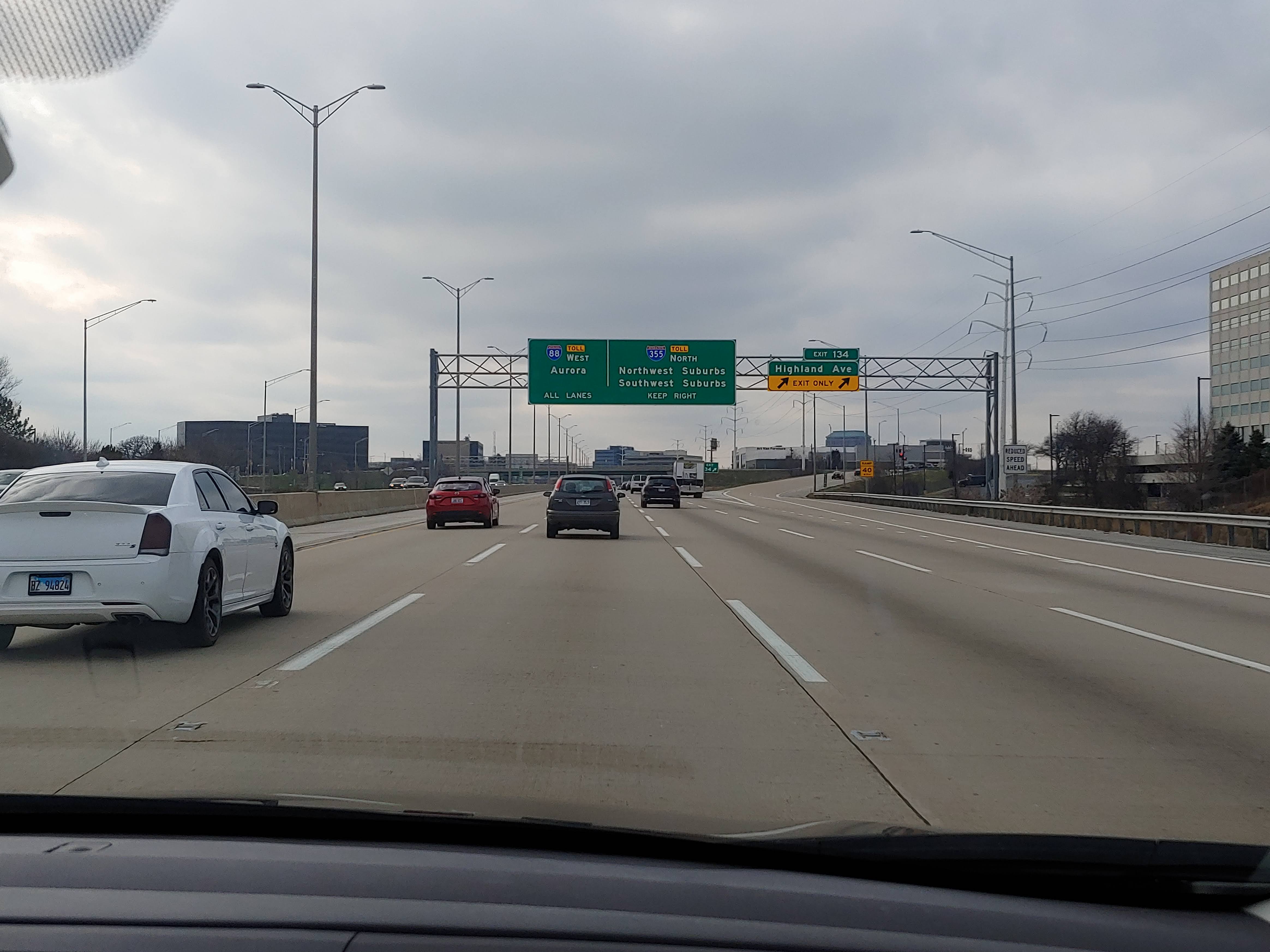
Naperville drivers who use I-88 or I-355 to get to work will pay 57% more in tolls starting Jan. 1, 2027, after the Illinois Tollway board voted unanimously to approve the largest passenger toll increase in more than 15 years.
The 8-0 vote on Wednesday, Aug. 19, locks in a rate jump from 75 cents to $1.20 at most mainline toll plazas. On I-355 at Spring Creek, the toll climbs from $1.90 to $3.05. The increase is the first for passenger vehicles since 2012.
The hike funds the Tollway's 15-year, $26.5 billion Driving Connections capital program, which directs $3.53 billion to I-88 reconstruction and $6.63 billion to I-355 improvements, according to Patch. Those I-355 projects include widening segments between I-55 and Army Trail Road and rebuilding the I-355/I-88 interchange, a bottleneck familiar to anyone commuting from south Naperville toward the East-West Tollway.
What it costs you
I-PASS rates rise from an average of 7 cents per mile to 11 cents per mile systemwide. The Tollway says that still falls below the national average of 16 cents per mile.
No Naperville-specific commuter cost estimate appeared in the Tollway's public materials. A Barrington-to-Chicago commuter on I-90 will pay roughly $950 a year in 2027, up from $600 in 2026, the Chicago Tribune reported. Naperville residents can calculate their own route costs at illinoistollway.com/drivingconnections.
Automatic increases follow
The rate hike is not a one-time event. Beginning in 2029, tolls will adjust every two years based on the Consumer Price Index, capped at 8% per two-year period. Those future increases will not require another board vote or public hearing, the Daily Herald reported.
"This massive one-time increase could have been delayed until the economy improves or at a minimum rejected in light of the fact that the tollway has seen its income increase at or in excess of the rate of inflation each of the last several years," said Bill Morris, a former Illinois Tollway director and former Waukegan mayor, at the Aug. 19 board meeting.
Morris warned in an Aug. 7 Tribune article that automatic indexing could eventually price low-income drivers off the tollway system entirely.
How it happened
The toll increase was embedded in the Northern Illinois Transit Authority Act, a transit reform bill passed by the Illinois General Assembly in fall 2025 and signed by Gov. JB Pritzker. The bill shifted gas-tax revenue from roads to transit agencies; the tollway rate-hike provision was added to secure labor union support.
Pritzker distanced himself from the vote after an appearance at the Illinois State Fair, saying only, "That was something voted on by the tollway authority."
The Tollway held 13 public hearings across 12 counties this summer, including a DuPage County session at College of DuPage in Glen Ellyn on July 15. More than 1,110 people attended in person. Online commenters were overwhelmingly opposed, citing cost-of-living concerns, WTTW reported.
Local construction already underway
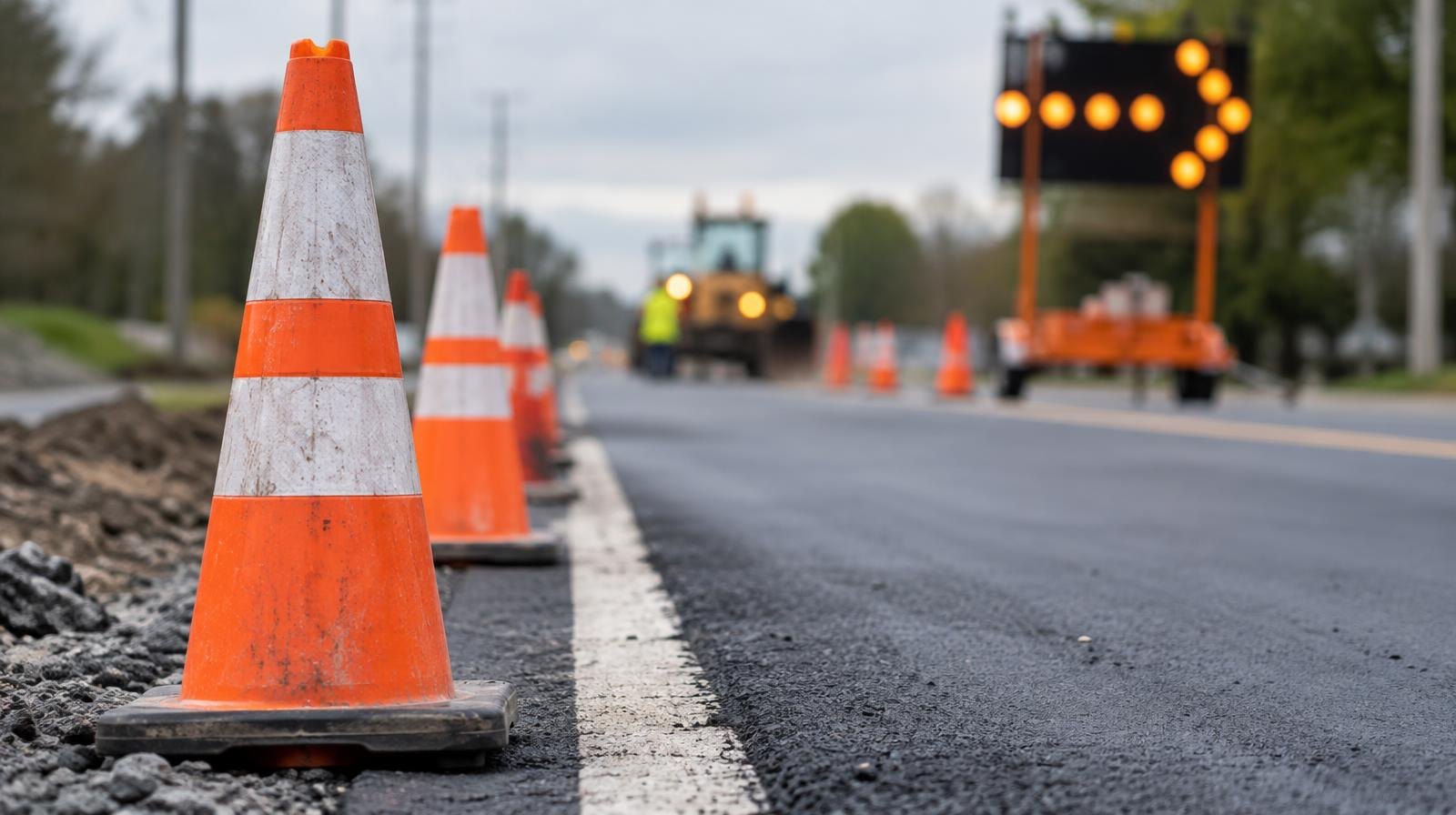
Naperville residents can already see Tollway work in their neighborhood. The Washington Street bridge over I-88 is under deck repair, with traffic reduced to one lane in each direction. The Raymond Drive bridge over I-88 faces the same restriction, according to the Illinois Tollway's project page.
The new rates take effect Jan. 1, 2027. The first automatic CPI adjustment is scheduled for 2029.