Indian Prairie School District 204 approved a $476 million operating budget with a planned $5.8 million deficit on Monday, Sept. 28. District officials say they expect to return to a balanced budget next school year while pursuing additional cost savings.
The one-year shortfall amounts to about 1.2% of the total budget. Reserves will cover it, leaving the district with 32% of annual operating costs in reserve funds, above the board's 25% minimum policy.
Chief School Business Official Matt Shipley attributed the deficit to federal and state funding losses, rising costs in health insurance and special education transportation, and two new union contracts, as first reported by NCTV17.
A $1.2 million cut in federal Title I funding hit the district after U.S. Census data showed its resident population fell below a 5% low-income threshold. The district is now covering $240,000 of those expenses locally and continuing to fund smaller class sizes at Title I elementary schools at roughly $600,000 a year.
Closing the gap by 2027-28
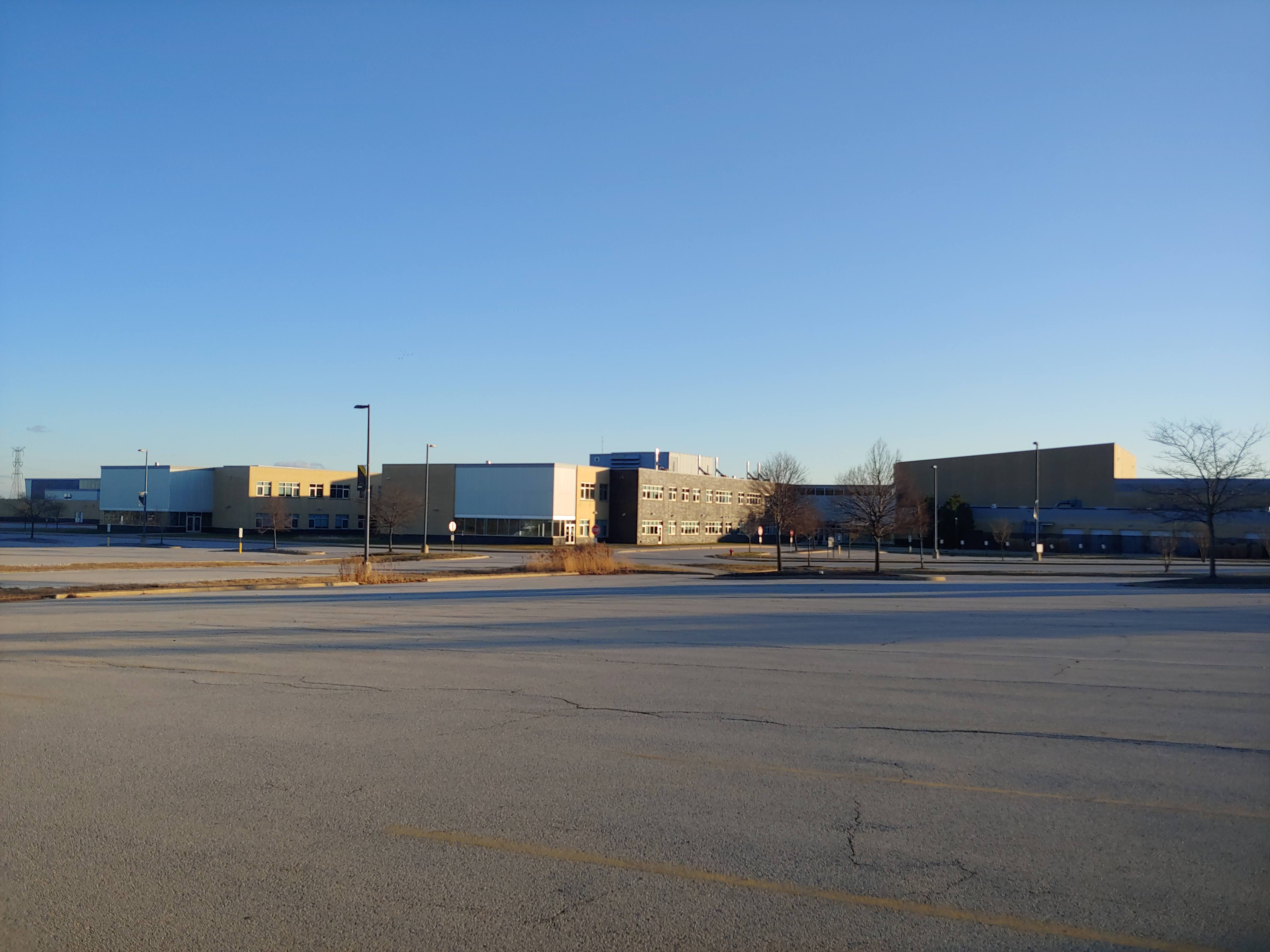
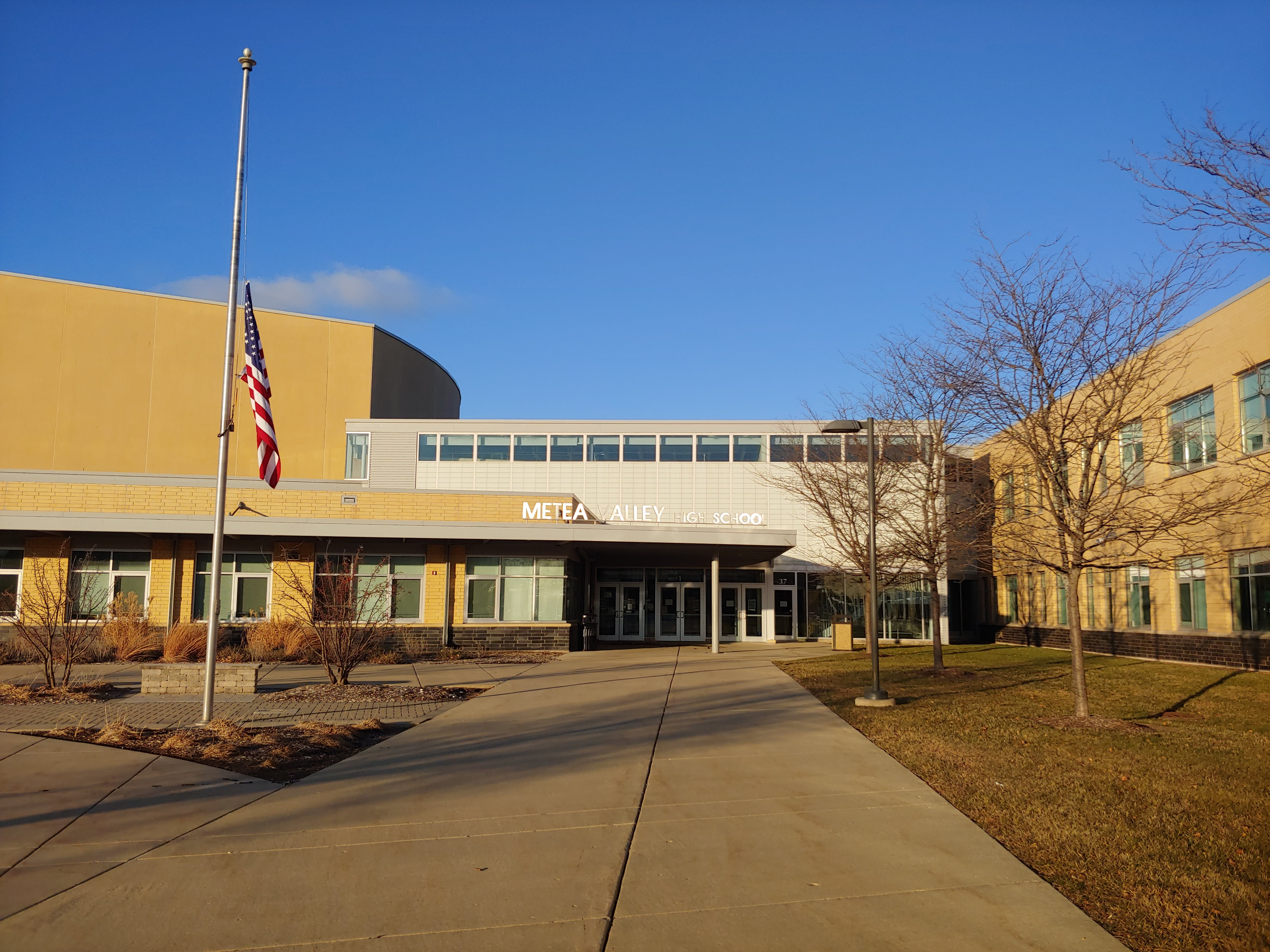
The biggest projected savings come from the Safer, Stronger 204 referendum. Returning freshmen to Neuqua Valley High School from the Birkett Center is expected to save about $2 million annually starting in the 2027-28 school year. Voters approved the $420 million bond referendum in 2024, funded by continuing an existing 37-cent property tax rate per $100 of equalized assessed value that would otherwise have expired, according to the Chicago Tribune.
The district also hired a consultant to review more than 200 initiatives for their full cost and what administrators call "Academic Return on Investment." Results are expected in fall 2026.
Other cost cuts are already in motion. The board approved a 35% pay reduction for retired teachers working as substitutes on Aug. 11, dropping their daily rate from $310 to $200. That move is projected to save about $400,000 in fiscal year 2027, the Chicago Tribune reported. The district is also rescheduling teacher training and meetings to reduce the need for substitutes overall.
"Every penny right now is going to count for us," board President Laurie Donahue said at the Aug. 11 meeting, as the Chicago Tribune reported.
Special education spending rises
Even while trimming elsewhere, the district added 15 full-time-equivalent special education positions in the 2026-27 budget to serve a growing number of students with special needs, including those with autism. Transportation costs for students placed in out-of-district special education facilities are up 18%. The district has not released a school-by-school breakdown of where the new positions are assigned.
"Our expectation is to have a balanced budget for next school year," Shipley told NCTV17 in an Aug. 31 report.
The district receives only 80% of what the state's evidence-based funding formula says it needs. A property tax levy vote is scheduled later in 2026, with property taxes making up about 78% of operating revenue.