
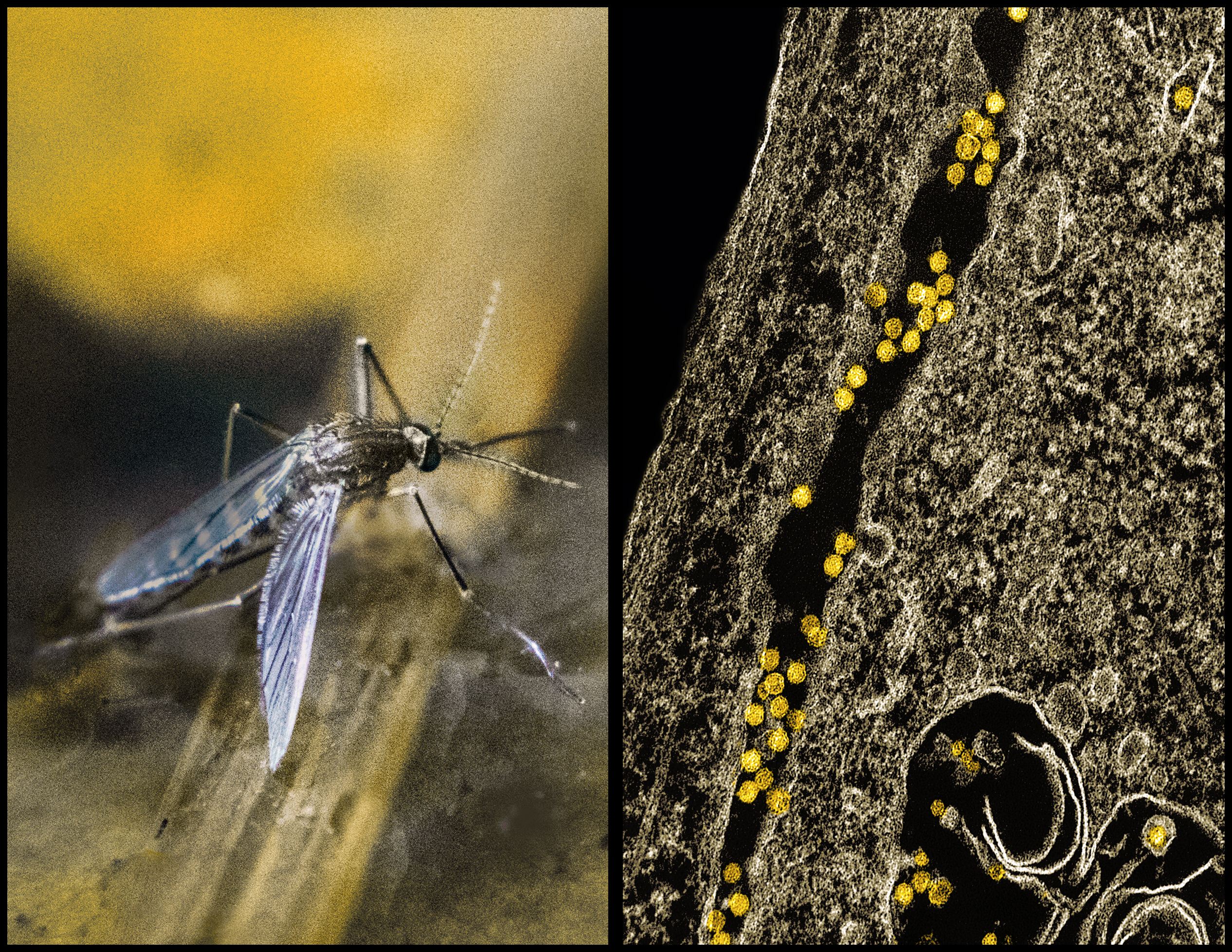
The DuPage County Health Department confirmed the county's first human West Nile virus case of 2026 on Tuesday, Sept. 1. The patient is an adult county resident; the department did not release further details about the individual or their condition, according to NCTV17.
The announcement came the same day the Chicago Department of Public Health reported the first West Nile death in Illinois in 2026, along with two additional human cases in the city, WTTW reported. Chicago officials did not identify the person who died.
The DCHD raised its Personal Protection Index (PPI) to level 2, or "moderate," on a scale of 0 to 3. The department cited the confirmed human case and a higher number of infected mosquitoes in the area. The index is updated every Wednesday on the DCHD website.
Illinois Department of Public Health (IDPH) Director Dr. Sameer Vohra said the virus can cause severe illness in older adults, people with chronic medical conditions, and immunocompromised individuals. Most infected people will not get sick. About one in five will develop flu-like symptoms such as fever, headache, body aches or rash, according to the Centers for Disease Control and Prevention (CDC).
Less than 1% of those infected develop severe symptoms affecting the central nervous system, which can lead to hospitalization or death.
A wetter summer, more mosquitoes
Chicago Department of Public Health Commissioner Dr. Garth Walker pointed to weather as a factor. He said 2026 has been the rainiest summer in Chicago in years, giving mosquitoes more opportunities to breed.
The statewide case count has already exceeded the early-September 2025 total. Illinois confirmed its first human case of 2026 on Aug. 26, involving a Piatt County resident, with three additional probable cases in Northern Illinois, Fox 2 reported. In all of 2025, the state recorded 150 human cases and 10 deaths across 73 counties.
When that first statewide case was announced Aug. 26, Vohra urged residents to take precautions before heading outdoors. "Applying insect repellent, wearing long, loose clothing, and reporting stagnant water to your local health department can help lower the risk of contracting diseases like West Nile virus," he said at the time.
What Naperville-area residents should do
The DCHD is urging the public to follow the "3Rs of defense":
- Reduce mosquito breeding by eliminating standing water around homes and keeping window and door screens in good repair.
- Repel mosquitoes by using EPA-registered insect repellent and wearing long sleeves and pants outdoors.
- Report spots in public areas where water has pooled for more than a week to local authorities.
West Nile virus spreads through the bite of an infected mosquito. It does not spread from person to person.
The DCHD's next PPI update is scheduled for Wednesday, Sept. 9.