Families across Indian Prairie School District 204 face a $5.8 million budget deficit as the district balances cost cuts with new investments in special education.
Chief School Business Official Matt Shipley laid out the gap and a plan to erase it at the district's school board meeting, as NCTV17 reported. The shortfall represents about 1.2% of the district's $476 million operating budget. The board is scheduled to vote on the budget Monday, Sept. 28.
Shipley attributed the deficit to a combination of federal funding losses, rising costs and the district's commitment to supporting students with the greatest needs. The district learned in April that its federal Title I funding would drop by $1.2 million after the area's low-income population fell below a 5% threshold in U.S. Census data. Two new union contracts, rising health insurance costs and higher special education transportation expenses also drove spending up faster than revenue.
Despite cuts elsewhere, District 204 hired 15 additional full-time special education staff for the 2026-27 school year to serve a growing population of students with special needs, including those with autism. The district also plans to spend 18% more on transporting students to out-of-district special education programs. For District 204 families with students on Individualized Education Programs (IEPs), those additions signal the district is prioritizing support even under budget pressure.
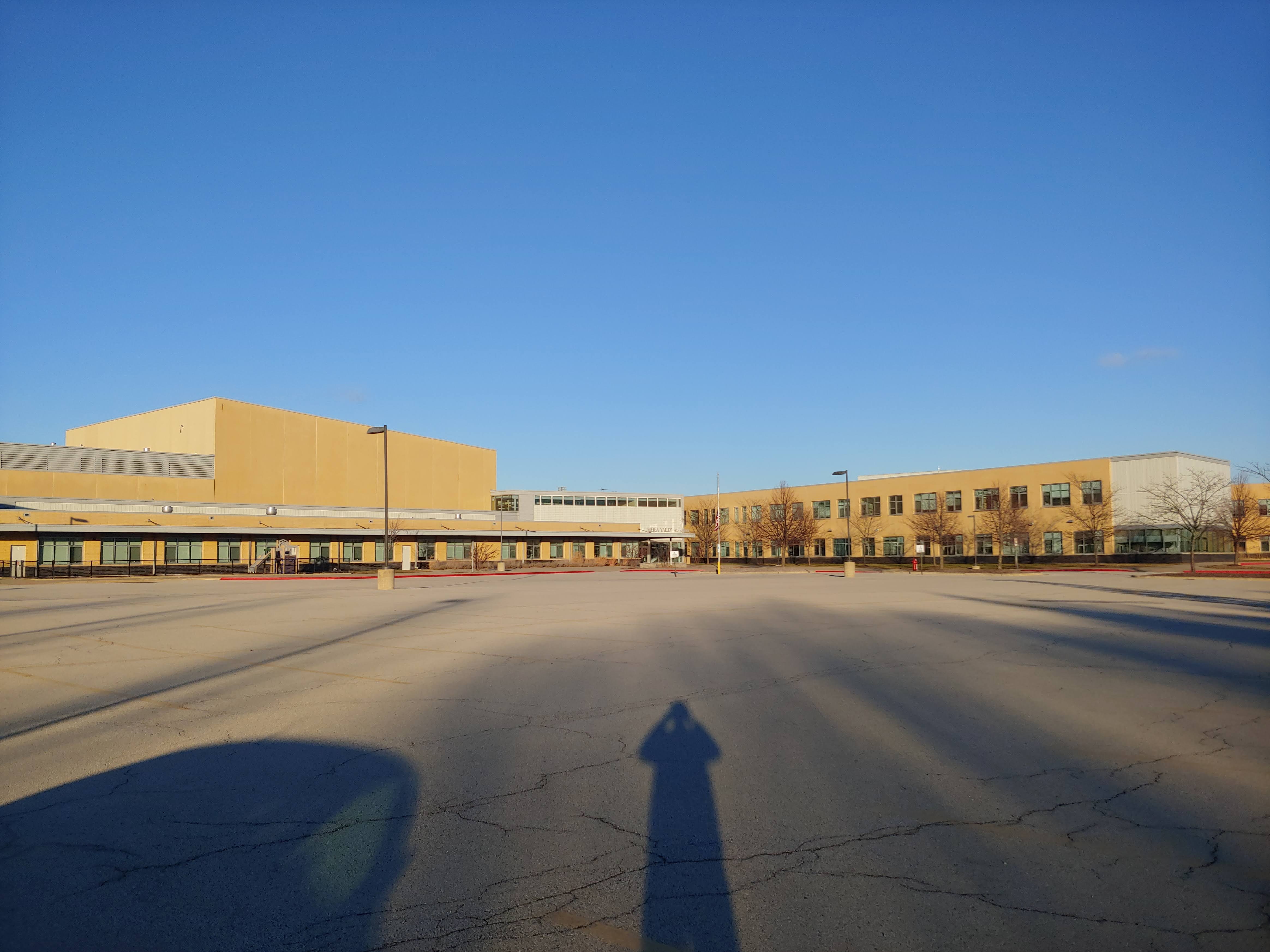
The biggest long-term savings comes from bringing Neuqua Valley freshmen back to the main campus from the Birkett Freshman Center, where they have attended class for more than 20 years. That move, funded through the Safer, Stronger 204 bond referendum passed in 2024, is expected to save about $2 million a year starting in the 2027-28 school year, according to Shipley's presentation.
The Chicago Tribune reported Aug. 27 that the district reduced staff by about 20 full-time positions this year, following a 10.5-position cut the prior year.
The district is also reviewing more than 200 internal initiatives with the help of a consultant to determine each program's full cost and what administrators called its "Academic Return on Investment." Results are expected this fall. The district has not named the consultant; families can request the contract through the district's Freedom of Information Act (FOIA) portal at ipsd.org.
Another piece of the plan: the board voted Aug. 11 to cut daily pay for retired teachers working as substitutes from $310 to $200, a move projected to save about $400,000 this budget year. Board President Laurie Donahue, who abstained from that vote because she substitutes in the district, said at the Aug. 11 meeting that "every penny right now is going to count for us," as reported by the Chicago Tribune.
Board member Mark Rising called the deficit temporary at the board meeting. Shipley said the district expects a balanced budget for the 2027-28 school year.
If approved Sept. 28, the budget would leave District 204 with reserves equal to 32% of annual operating expenses, above the 25% minimum required by board policy. The district spends about $17,000 per pupil annually, compared with roughly $23,000 at comparable districts like Barrington Unit District 220, according to board members. District 204 is funded at 80% under the state's evidence-based funding formula.
The district has also chosen to keep investing about $600,000 a year to maintain smaller class sizes at Title I-recipient elementary schools, a commitment dating to about 2018. Which specific campuses receive that funding has not been disclosed.
School board ahead
- Monday, Sept. 28: District 204 Board of Education votes on the 2026-27 budget. Meeting details available at ipsd.org.